
Thinking about adding some trees to your yard? Redbud trees are a pretty popular choice, and for good reason. They’ve got this really cool look, especially in the spring when they just explode with color. Plus, they’re native to North America, which is a nice bonus. But like anything, they’re not perfect. We’re going to break down what makes redbud trees great and what you might want to watch out for if you’re considering planting them.
Ornamental Appeal Of Redbud Trees:
Vibrant Springtime Blossoms
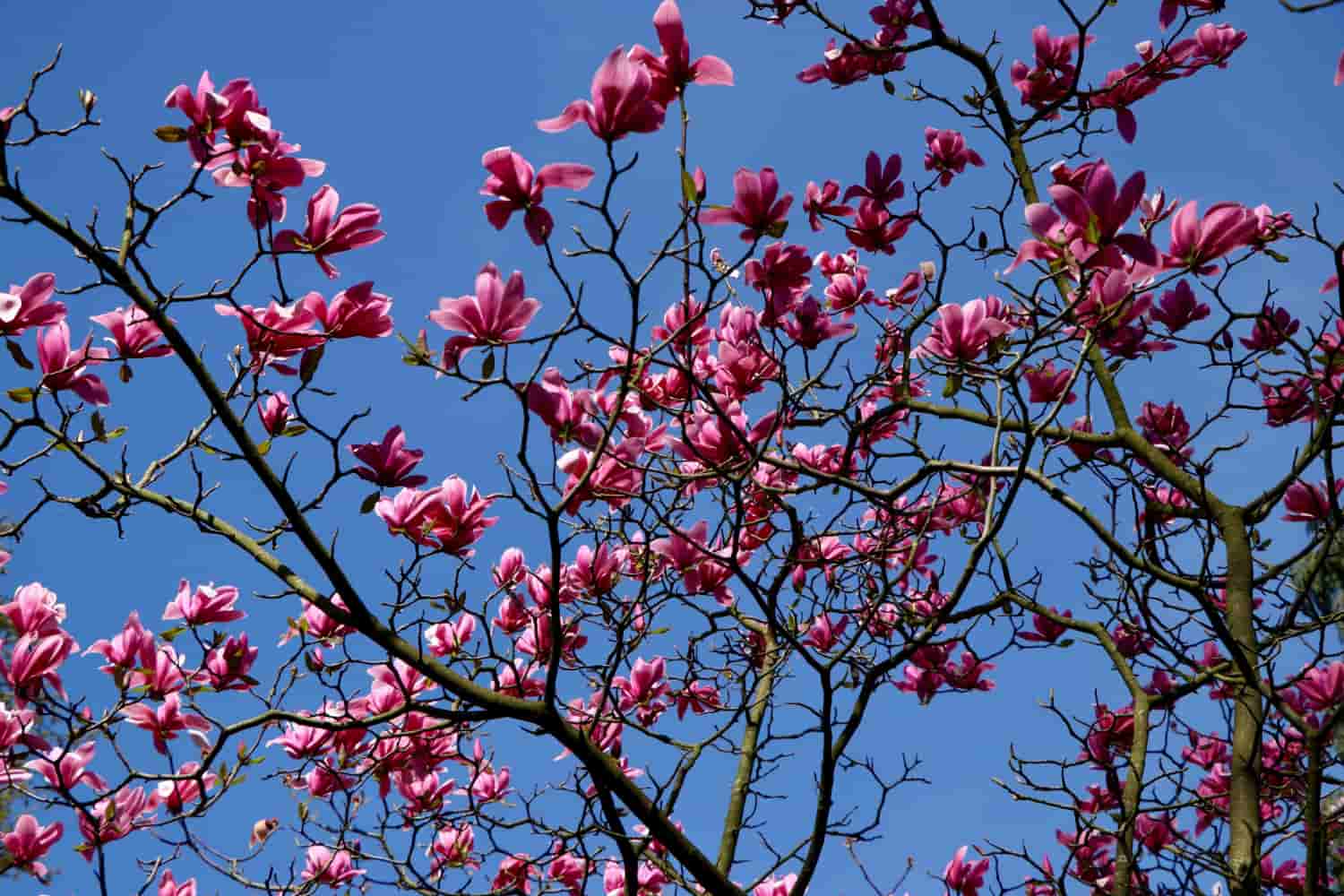
Redbud trees are truly a sight to behold when spring rolls around. Before most other trees even think about waking up, redbuds are already putting on a show. Their branches get absolutely covered in these small, vibrant flowers. We’re talking shades of pink and sometimes even a purplish-red. It’s not just the branches, either; sometimes, you’ll see these flowers popping right out of the trunk itself, which is a pretty wild look. This early bloom makes them one of the first splashes of color in the landscape after a long winter. It’s like nature’s way of saying, “Hey, spring is here!”
Unique Heart-Shaped Foliage
Once the flowers fade, redbuds switch gears and offer a different kind of beauty: their leaves. And these aren’t just any leaves. They’re distinctly heart-shaped, which is pretty cool and gives the tree a really distinct look throughout the warmer months. This unique leaf shape adds a lot of charm and character to a yard. They create a nice, dense canopy that provides good shade, and the shape itself is just a conversation starter.
Attractive Cultivar Options
If you’re looking for a redbud, you’ve got options beyond the standard. There are several cultivars that offer different looks. For instance, some have leaves that are a deep, rich purple, which is a really striking contrast to the usual green. Others are bred to stay more compact, making them great for smaller yards. And then there are those with golden or variegated foliage that add even more visual interest. It means you can pick a redbud that really fits the style you’re going for in your garden.
Environmental Benefits Of Redbud Trees:
Supporting Local Wildlife
Redbud trees are a fantastic choice if you’re looking to make your yard a little more welcoming for the local critters. Because they’re native to North America, many birds and insects have evolved alongside them, meaning they know exactly how to use these trees for food and shelter. You’ll often see bees and butterflies buzzing around the flowers, especially in the spring. Plus, the seeds and buds can be a food source for some birds. It’s a simple way to give back to the local ecosystem — and with professional Tree Services in Toronto, you can ensure your redbud stays healthy, thriving, and wildlife-friendly year after year.
Contribution To Pollinator Health
Those pretty pink flowers aren’t just for show; they’re a vital food source for pollinators. Bees, in particular, love redbud blossoms. When you plant a redbud, you’re essentially setting up a little buffet for these important insects. This helps keep our pollinator populations healthy, which is good for the environment overall. It’s a win-win: you get a beautiful tree, and the bees get a tasty meal.
Native Plant Advantages
Planting native trees like redbuds just makes sense. They’re already adapted to our local climate and soil conditions, which means they generally require less fuss once they’re established. Think less watering, less fertilizing, and generally fewer problems. They’ve been around for ages, so they fit right in with the local environment. Plus, they support the native wildlife that’s also adapted to this region. It’s a more sustainable and often easier approach to gardening.
Choosing native plants is a smart move for your garden. They’re built for the local weather and soil, meaning they usually take care of themselves once they’ve settled in. This makes your gardening life a bit simpler and helps the local environment thrive.
Here’s a quick look at what redbuds offer:
- Food Source: Provides nectar for pollinators and seeds/buds for some birds.
- Habitat: Offers shelter and nesting opportunities for various small wildlife.
- Ecosystem Support: Integrates well with local flora and fauna.
- Low Maintenance: Generally hardy and adaptable once established.
Planting And Care Requirements For Redbuds
So, you’ve decided a redbud tree is the right fit for your yard. That’s great! These trees are pretty forgiving, but giving them a good start makes all the difference. Let’s talk about what they need to really thrive.
Ideal Sunlight Exposure
Redbuds aren’t too picky about sun, but they do best with a good amount of it. Aim for a spot that gets at least six hours of direct sunlight each day. This helps them produce those beautiful spring flowers and grow strong. They can handle full sun, but if you live somewhere with really scorching summer heat, a little bit of afternoon shade might be beneficial. They’re technically understory trees, meaning they naturally grow under larger trees, so they can tolerate some shade, but you’ll get the best show with more sun.
Soil Preferences For Growth
When it comes to soil, redbuds like it well-drained. This means water shouldn’t just sit around the roots. They’re pretty adaptable and can handle different soil types, like clay or sand, as long as it’s not constantly waterlogged. If your soil is heavy clay, mixing in some compost or other organic matter can really help improve drainage and give your tree a better home. Just make sure the spot isn’t a swamp!
Watering Needs
Newly planted redbuds need regular drinks to get their roots established. Think about watering them deeply about once a week, especially if it’s hot and dry out. Once the tree is settled in and has been in the ground for a year or two, it becomes much more drought-tolerant. However, during extended dry spells, giving them a good soak now and then is still a good idea. Mulching around the base helps keep the soil moist and cuts down on weeds, which is a win-win.
Pruning For Health And Shape
Redbuds generally don’t need a lot of pruning. They grow into a nice shape on their own. The best time to prune is usually right after they finish flowering in the spring. If you see any dead, damaged, or branches that are rubbing against each other, it’s a good idea to trim those off. This helps keep the tree healthy and encourages a strong structure as it grows. Don’t go crazy with the shears; just a little tidying up is usually all that’s needed.
Potential Challenges With Redbud Trees:
Susceptibility to Cankers
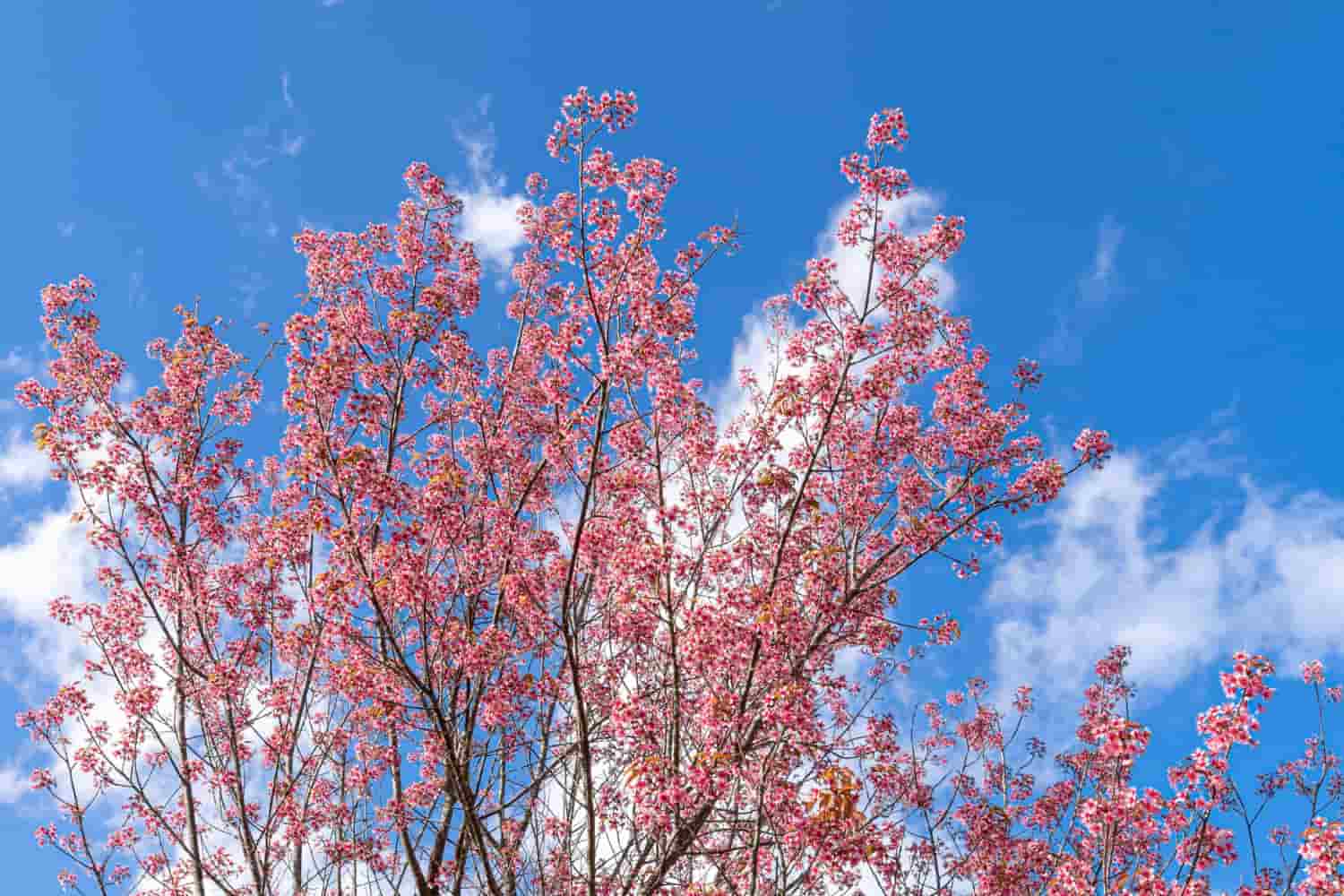
While generally tough trees, redbuds can sometimes get cankers. These are like little dead spots on the branches or trunk. If you see them, it’s best to prune away the affected part to keep the rest of the tree healthy. It’s important to make clean cuts so you don’t spread anything. Sometimes, stress from disease can make the leaves a target for bugs.
Vulnerability to Leaf-Eating Insects
Occasionally, redbuds might attract insects that like to munch on leaves, like Japanese beetles. If your tree is already a bit stressed, these pests can cause more damage. Keeping your tree healthy with good watering and the right soil is the best defense. A healthy tree is a strong tree, less appealing to pests.
Shorter Lifespan Considerations
Compared to some other trees, redbuds might not live for centuries. They tend to have a shorter lifespan. However, they often send up new shoots from their roots if the main tree declines, giving you a chance for regrowth. It’s good to keep an eye on your tree’s vigor. If it seems to be struggling, a quick check-up from an arborist might help figure out what’s going on and how to help it bounce back.
Redbud Tree Varieties For Your Landscape:
Forest Pansy’s Deep Purple Leaves
If you’re looking for a redbud that really makes a statement, the ‘Forest Pansy’ cultivar is a fantastic choice. Its leaves are a deep, rich purple, offering a striking contrast to the typical green foliage found in most gardens. This color holds up through the summer, though it might deepen to a bronze-green as the season wears on. It’s a real showstopper, especially when planted against lighter-colored flowers or shrubs. You can find over 20 varieties of redbud trees, and ‘Forest Pansy’ is definitely one of the most visually interesting. It adds a touch of drama and sophistication to any yard.
Ace of Hearts’ Compact Form
Got a smaller yard or a tight spot? The ‘Ace of Hearts’ cultivar might be just what you need. This one is bred to stay more compact, making it perfect for those areas where a larger tree just wouldn’t fit. It still gives you those lovely pinkish-red spring flowers, but its overall size is much more manageable. It grows into a nice, rounded shape, adding a neat and tidy look to the landscape. It’s a great way to get that redbud charm without overwhelming a smaller space.
Hearts of Gold’s Golden Hues
For something a bit different, consider the ‘Hearts of Gold’ cultivar. This variety brings a splash of sunshine to your garden with its golden-yellow leaves. As the summer progresses, these leaves might shift to a more lime-green color, but they maintain a bright, cheerful appearance throughout the growing season. It’s a beautiful way to add a different color palette to your landscape, offering a unique visual interest that stands out from the more common green or purple varieties. It’s a real conversation starter.
Here’s a quick look at some popular choices:
| Cultivar | Key Feature |
| Forest Pansy | Deep purple foliage |
| Ace of Hearts | Compact, rounded form |
| Hearts of Gold | Golden-yellow leaves |
Choosing the right cultivar can really tailor the redbud’s impact to your specific garden needs and aesthetic preferences. It’s not just about the flowers; the foliage offers a long season of interest too.
Integrating Redbud Trees Into Your Yard
Redbud trees are pretty versatile, which is great news for homeowners. They aren’t these giant, sprawling things that need acres of space. Their size makes them a fantastic choice for a variety of spots around your property.
Perfect For Front Yard Statements
Want to make your front yard pop? A redbud can do just that. Imagine driving up to your house and seeing those vibrant pink or purple flowers greeting you in the spring. It’s a real showstopper. They work well as a standalone feature, drawing the eye and adding a splash of color before most other plants have even woken up. Plus, their heart-shaped leaves give them a unique look all summer long, long after the flowers are gone.
Suitable As Understory Trees
Redbuds are naturally “understory” trees. This means they’re happy growing beneath taller trees like oaks or maples. If you have a wooded area or a yard with mature trees, a redbud can fit right in. It adds another layer of interest without competing too much for sunlight. They appreciate a bit of shade, especially in hotter climates, so this setup works out perfectly for them. It’s like giving them a cozy spot in the yard.
Ideal For Urban And Suburban Settings
Because redbuds don’t get too massive – usually topping out around 20-30 feet – they’re a great fit for smaller yards common in cities and suburbs. You don’t need a huge estate to enjoy one. They can fit into tight spaces, like at the corner of a house or along a fence line, without overwhelming the area. Even some of the dwarf varieties are perfect for container planting on a patio or deck if you’re really short on space. They bring a bit of nature’s charm even to built-up areas.
So, Is a Redbud Tree Right for Your Yard?
All things considered, redbud trees really do bring a lot to the table for a home landscape. They’ve got that stunning spring flower show, those cool heart-shaped leaves, and they’re generally pretty easy to care for once they get going. Sure, they can have their issues with diseases or pests sometimes, and they might not live as long as some other trees, but for the sheer beauty and the boost they give to local wildlife, many people find them totally worth it. If you’re looking for a tree that’s a bit of a showstopper without demanding constant attention, a redbud could be a fantastic choice for your yard.
Ready to plant or care for a redbud tree? Contact Heritage Tree Care Inc. today at 437-494-8020 for professional advice and professional tree services.
Frequently Asked Questions
What makes redbud trees so pretty?
Redbud trees are famous for their stunning pinkish-purple flowers that pop out in early spring, sometimes even before other spring flowers like daffodils! After the flowers fade, they grow lovely heart-shaped leaves that look great all season long.
Are redbud trees good for the environment?
Yes, they are! Redbuds are native to North America, meaning they’ve grown here for a long time. They provide food and homes for local wildlife like birds and butterflies, and they help support pollinators, which are super important for our ecosystem.
How much sun and water do redbuds need?
Redbuds really like to soak up the sun, needing at least six hours of direct sunlight each day. They prefer soil that drains well. Once they’re established after their first year, they’re pretty good at handling dry spells and are usually fine with just rain.
Do redbud trees get sick easily?
Sometimes, redbuds can get problems like cankers, which are like sores on their branches or trunk. They can also be bothered by insects that eat their leaves, especially if the tree is already stressed. It’s good to keep an eye on them and take care of any issues that pop up.
What are some different kinds of redbud trees?
There are a few cool varieties! ‘Forest Pansy’ has deep purple leaves, which look really striking. ‘Ace of Hearts’ is a smaller tree, perfect for tighter spots. And ‘Hearts of Gold’ has beautiful golden-yellow leaves that add a unique color to your yard.
Where is the best place to plant a redbud tree?
Redbuds make fantastic statement trees, so they look great in your front yard where everyone can see them. They also do well as smaller trees planted under or beside taller trees, like oaks or maples, in areas that could use a bit more color and charm.
Serving the Greater Toronto Area
437-494-8020